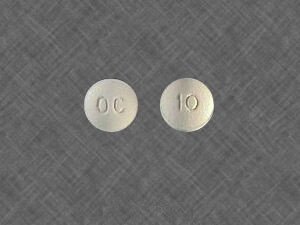
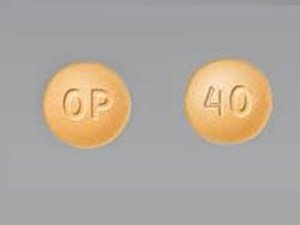
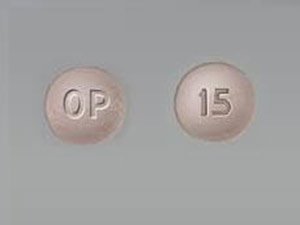
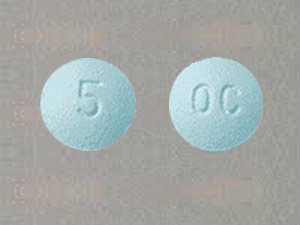
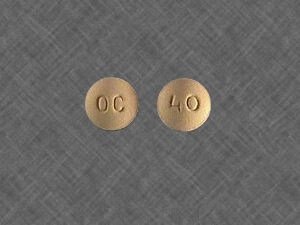
OxyContin OP 10mg – Medication Information
Understanding OxyContin OP 10mg
OxyContin OP 10mg contains oxycodone hydrochloride in an extended-release tablet. It is a prescription opioid indicated for the management of severe and persistent pain when alternative treatment options do not provide adequate relief. The 10mg strength is an available OXYCONTIN formulation.
Because this medicine releases oxycodone over an extended period, it is not intended for as-needed pain relief. Instead, treatment should be individualized according to the patient’s condition, previous opioid exposure, response to therapy, and other medical considerations. The FDA labeling states that adults who are not opioid-tolerant may be initiated on 10mg every 12 hours, although dosing decisions must be made by an appropriate healthcare professional.
OxyContin carries a boxed warning because oxycodone can cause addiction, abuse, misuse, overdose, and serious or fatal respiratory depression. Therefore, treatment should be carefully assessed and monitored, particularly when therapy begins or the dosage changes.
Common opioid-related effects can include drowsiness, dizziness, nausea, constipation, and sedation. However, severe or unusual breathing difficulties require immediate medical attention.
Additionally, combining OxyContin with alcohol, benzodiazepines, or other central nervous system depressants can increase the risk of profound sedation, respiratory depression, coma, and death. Patients should discuss all medicines and substances they use with their healthcare professional.
The extended-release tablet should be swallowed whole. It must not be cut, broken, crushed, chewed, or dissolved because altering the tablet can cause rapid release of oxycodone and increase the risk of overdose.
Responsible Use of OxyContin OP 10mg
Responsible use begins with following the prescribed treatment plan. Patients should never increase the dose independently, share medication with another person, or use it outside professional medical guidance.
Furthermore, OxyContin can cause physical dependence during continued treatment. If therapy needs to end, rapid reduction or abrupt discontinuation should be avoided in physically dependent patients because serious withdrawal symptoms and uncontrolled pain may occur. A healthcare professional can develop an appropriate tapering plan.
Safe storage also matters. Keep this medication away from children and other people who could accidentally or intentionally take it. Patients can also ask their healthcare professional about overdose prevention and whether naloxone is appropriate.