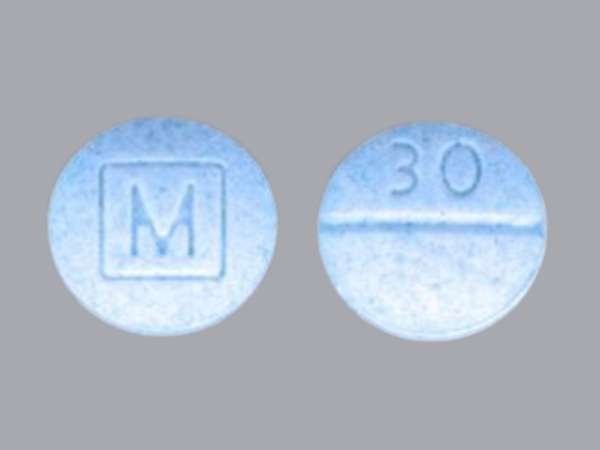
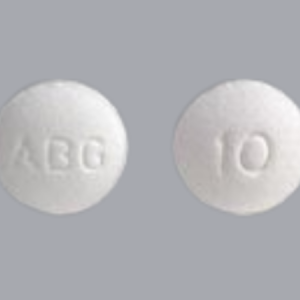
Oxycodone 30mg – Medication Information
Oxycodone 30mg is an immediate-release prescription opioid used for pain severe enough to require an opioid analgesic when alternative treatments are inadequate. Current labeling lists 30mg among the available immediate-release oxycodone hydrochloride tablet strengths.
Because oxycodone acts on the central nervous system, treatment requires careful medical supervision. Healthcare professionals consider pain severity, previous analgesic exposure, individual response, and potential risk factors before selecting an appropriate treatment plan. Therefore, patients should follow their prescribed instructions and avoid changing the dose independently.
Oxycodone 30mg Safety Information
Oxycodone carries serious risks, including addiction, abuse, misuse, overdose, and potentially life-threatening respiratory depression. These risks can occur during treatment even when the medicine is taken as prescribed. Consequently, appropriate monitoring remains important throughout therapy.
Combining oxycodone with alcohol, benzodiazepines, or other central nervous system depressants can increase the risk of profound sedation, respiratory depression, coma, and death. Patients should therefore tell their healthcare professional about all prescription medicines, over-the-counter products, and other substances they use.
Common opioid-related effects may include drowsiness, dizziness, nausea, constipation, and sedation. However, slow or difficult breathing, extreme sleepiness, or an inability to wake requires urgent medical attention.
Responsible Use of Oxycodone 30mg
Oxycodone 30mg should be taken only according to professional medical instructions. Patients should never share prescription opioids with another person, and secure storage can help reduce accidental ingestion and misuse.
Furthermore, physical dependence can develop during opioid treatment. Patients who have become physically dependent should not abruptly discontinue therapy, because rapid reduction may cause serious withdrawal symptoms and uncontrolled pain. A healthcare professional can provide guidance on an appropriate tapering plan.
Patients may also discuss overdose-prevention measures, including whether naloxone is appropriate. Overall, responsible use involves following medical guidance, understanding potential interactions, storing the medicine securely, and seeking immediate assistance when serious symptoms occur.