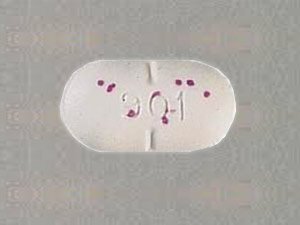
Lortab ASA 500mg – Medication Information
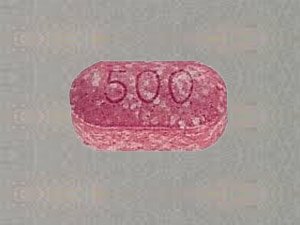
Lortab ASA 500mg refers to a hydrocodone bitartrate and aspirin combination used for pain management. Current DailyMed labeling identifies the documented hydrocodone/aspirin tablet as containing 5mg of hydrocodone bitartrate and 500mg of aspirin. It is an immediate-release prescription medicine intended for pain severe enough to require an opioid when alternative treatments are not adequate.
Hydrocodone is an opioid analgesic that acts on the central nervous system to reduce the perception of pain. Meanwhile, aspirin is a nonsteroidal anti-inflammatory drug that provides additional analgesic effects. Because the combination contains an opioid, careful medical supervision is important.
The “ASA” terminology refers to acetylsalicylic acid, commonly known as aspirin. Therefore, this formulation differs from Lortab products that contain acetaminophen instead of aspirin. Patients should always verify the active ingredients and strength on the medication label.
Lortab ASA 500mg Safety Information
Hydrocodone can cause drowsiness, dizziness, sedation, constipation, and potentially serious respiratory depression. Furthermore, combining an opioid with alcohol, benzodiazepines, or other central nervous system depressants can increase the risk of profound sedation and breathing difficulties.
Aspirin also has important safety considerations. It can increase the risk of stomach irritation and gastrointestinal bleeding, particularly in people with certain medical conditions or those taking other medicines that affect bleeding.
The FDA-approved labeling warns about opioid addiction, abuse, misuse, overdose, and potentially life-threatening respiratory depression. These risks can occur even when the medication is taken as prescribed.
Responsible Use of Lortab ASA 500mg
Responsible use begins with following the directions provided by a qualified healthcare professional. Patients should not increase the dose, combine the medicine with alcohol or unauthorized sedatives, or share prescription medication with another person.
In addition, patients should tell their healthcare provider about other prescription medicines, over-the-counter products, supplements, allergies, breathing problems, stomach conditions, and any history of substance misuse.
Because physical dependence can develop with opioid treatment, discontinuation should be managed with professional guidance rather than abrupt changes. Secure storage also helps prevent accidental ingestion, misuse, or diversion.
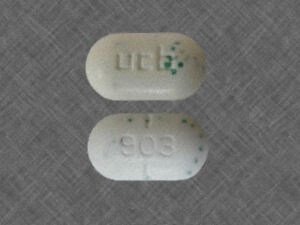
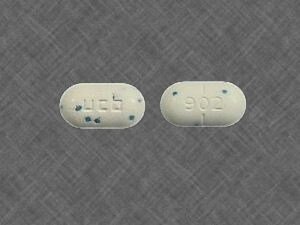
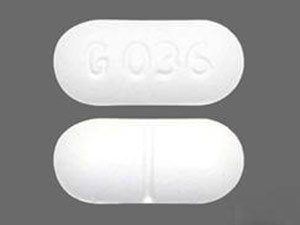
For accurate identification, always check the medication packaging and official labeling. This is especially important because similarly named products may contain different active ingredients or strengths.