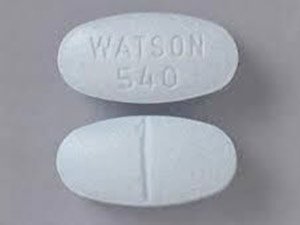
Hydrocodone 7.5mg/500mg – Medication Information
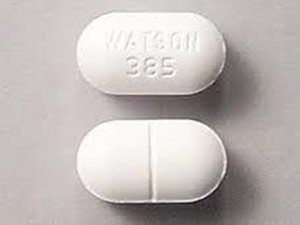
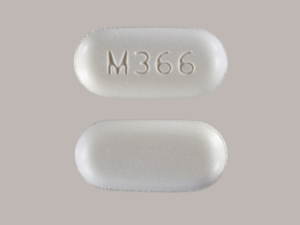
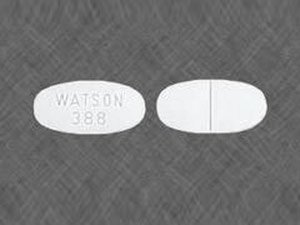
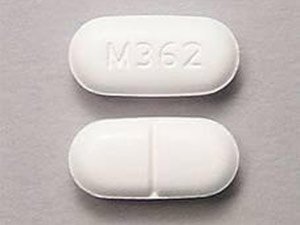
is a historical prescription combination containing 7.5mg of hydrocodone bitartrate and 500mg of acetaminophen per tablet. Hydrocodone is an opioid analgesic, while acetaminophen is a non-opioid pain reliever. Older labeling documented this combination in tablet form for oral administration.
Because this formulation contains 500mg of acetaminophen, it is important to distinguish older product information from currently marketed U.S. formulations. FDA requested that prescription acetaminophen combination products be limited to 325mg or less per dosage unit because higher amounts increase the potential for serious liver injury.
What Is Hydrocodone 7.5mg/500mg?
Hydrocodone 7.5mg/500mg combines two active ingredients with different mechanisms. Hydrocodone acts on opioid receptors to alter pain perception, whereas acetaminophen provides additional analgesic and antipyretic effects.
Historically, this combination was used when an opioid-containing medicine was considered appropriate for pain management. However, the presence of both ingredients means that patients must consider the safety profile of each component, particularly the risks associated with opioid exposure and cumulative acetaminophen intake.
Medical Uses and Formulation
Older hydrocodone-acetaminophen labeling included several strengths, including 7.5mg/500mg. The formulation was supplied as an oral tablet containing 7.5mg hydrocodone bitartrate and 500mg acetaminophen.
However, availability and regulatory status can differ by jurisdiction and product. Therefore, historical strength information should not be interpreted as confirmation that a particular 7.5mg/500mg product is currently approved or marketed in the United States.
Important Safety Information
Hydrocodone is a potent opioid and can cause serious adverse effects, including sedation and respiratory depression. In addition, opioids carry risks related to misuse, abuse, addiction, overdose, and potentially fatal breathing problems.
Acetaminophen creates another important consideration. Excessive cumulative exposure can cause severe liver injury. This risk becomes especially important when a person takes more than one acetaminophen-containing medicine at the same time.
Therefore, patients should tell their healthcare professional about every prescription medicine, over-the-counter product, supplement, and alcohol use before taking an opioid-acetaminophen combination.
Possible Side Effects
Potential effects associated with hydrocodone may include:
- Drowsiness or sedation
- Dizziness
- Nausea and vomiting
- Constipation
- Itching
- Reduced alertness
- Respiratory depression
Acetaminophen-related toxicity can cause serious liver problems, particularly when recommended limits are exceeded or multiple acetaminophen-containing products are combined.
Furthermore, combining hydrocodone with alcohol, benzodiazepines, sedatives, or other central nervous system depressants may increase the risk of profound sedation and respiratory depression.
Responsible Medication Use
Hydrocodone-containing medicines should be used only under appropriate medical supervision. Patients should follow the instructions provided with their specific prescription and should never share opioid medication with another person.
Likewise, patients should avoid taking additional acetaminophen products without first checking the total daily amount with a healthcare professional. This is particularly important with older formulations containing 500mg of acetaminophen per tablet.
Unused opioid medication should also be stored securely and disposed of according to applicable medication-disposal guidance.
Hydrocodone 7.5mg/500mg: Historical Strength Considerations
The 7.5mg/500mg strength is important to identify correctly because current U.S. hydrocodone-acetaminophen products commonly use 325mg of acetaminophen per tablet. Current DailyMed labeling for a 2026 product, for example, lists 5mg/325mg, 7.5mg/325mg, and 10mg/325mg strengths.
Consequently, consumers should verify the exact product, active ingredients, strength, manufacturer, and jurisdiction rather than relying solely on an older product name or online description.
Final Considerations
Hydrocodone 7.5mg/500mg combines an opioid analgesic with acetaminophen and therefore requires careful consideration of both opioid-related and liver-related safety risks. Historical labeling confirms the formulation, but its regulatory status and availability should be verified for the relevant jurisdiction.
This page is intended for educational purposes only. It does not replace the prescribing information for a specific product or advice from a qualified healthcare professional.