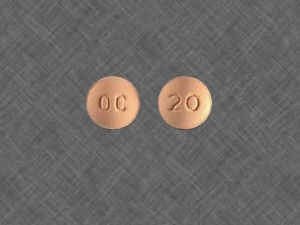
Oxymorphone 15mg – Medication Information
Oxymorphone 15mg is a prescription opioid medication used in the management of severe pain when an opioid may be appropriate and other treatment options do not provide adequate relief. It works by changing how the nervous system responds to pain. Because oxymorphone carries significant risks, treatment should remain under qualified medical supervision.
Understanding Oxymorphone 15mg
Oxymorphone is available in immediate-release and extended-release formulations. Therefore, the specific formulation is important when considering how the medicine is taken and how long its effects may last. The 15mg strength is listed among the available extended-release formulations, which are intended for severe and persistent pain requiring ongoing opioid treatment.
A prescribed dose should never be changed based only on pain intensity. Instead, healthcare professionals consider previous opioid exposure, medical history, treatment response, and potential interactions. In addition, the current labeling states that extended-release oxymorphone should not be used as an as-needed pain medicine.
Common effects may include drowsiness, dizziness, nausea, vomiting, constipation, and lightheadedness. However, more serious complications can occur, including severe sedation and potentially life-threatening breathing problems.
Oxymorphone 15mg Safety Information
Safety is especially important with opioid medicines. Oxymorphone can cause misuse, abuse, addiction, overdose, and respiratory depression. These risks can occur even when treatment is prescribed, so patients should follow their healthcare professional’s directions carefully.
Furthermore, alcohol and certain medicines can increase sedation and breathing-related risks. Patients should tell their doctor and pharmacist about all prescription medicines, nonprescription products, supplements, and other substances they use.
For extended-release tablets, the medicine should be swallowed whole. Crushing, chewing, breaking, or dissolving the tablet can release the medication too quickly and increase the risk of a dangerous overdose.
Responsible Use of Oxymorphone
Oxymorphone 15mg should be taken only according to the prescribed instructions. Patients should never share opioid medication with another person. Secure storage also helps prevent accidental exposure, particularly among children.
Additionally, patients can ask a healthcare professional about access to opioid-overdose rescue medicines such as naloxone or nalmefene. These medicines may help reverse life-threatening opioid effects during an emergency.
Anyone experiencing unusually slow breathing, long pauses between breaths, severe difficulty staying awake, or significant shortness of breath should seek emergency medical attention.