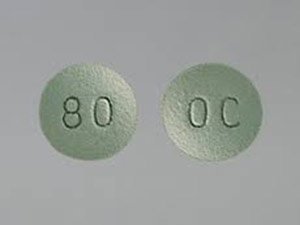
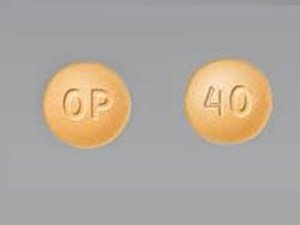
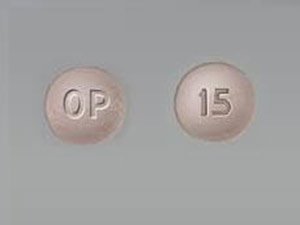
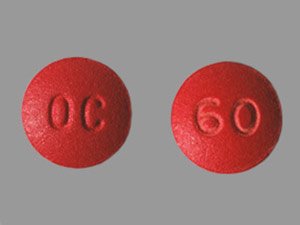
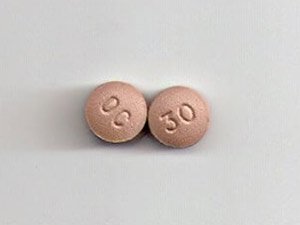
OxyContin OP 80mg – Medication Information
OxyContin OP 80mg is an extended-release prescription medication containing oxycodone hydrochloride, a potent opioid analgesic. It is indicated for severe and persistent pain that requires opioid treatment when alternative options are inadequate. Because this medicine carries substantial opioid-related risks, treatment should be prescribed and monitored by a qualified healthcare professional.
OxyContin is formulated to release oxycodone over an extended period. The 80mg strength is one of the listed OXYCONTIN extended-release strengths. However, it is not intended for occasional or as-needed pain relief. Instead, treatment decisions should consider the patient’s pain severity, previous opioid exposure, medical history, response to treatment, and potential risk factors.
Importantly, the FDA states that OXYCONTIN 60mg and 80mg tablets, as well as single doses above 40mg, should only be used in patients who have established tolerance to an opioid of comparable potency. Therefore, this strength should never be started, increased, or changed without professional medical direction.
The tablet must be swallowed intact. It should not be cut, broken, chewed, crushed, or dissolved. Altering an extended-release tablet can release too much oxycodone at once and may result in a potentially fatal overdose.
OxyContin OP 80mg Safety Information
OxyContin is a Schedule II controlled substance. Consequently, it carries boxed warnings concerning addiction, abuse, misuse, overdose, and serious or potentially fatal respiratory depression. These risks can occur during treatment and may remain relevant throughout opioid therapy.
Common opioid-related effects may include drowsiness, dizziness, nausea, constipation, and sedation. More importantly, slow, shallow, or difficult breathing can indicate a medical emergency and requires immediate attention.
Patients should also inform their healthcare professional about all medicines, supplements, and substances they use. In particular, combining OxyContin with alcohol, benzodiazepines, or other central nervous system depressants can increase the risk of profound sedation, respiratory depression, coma, and death.
Responsible Use of OxyContin OP 80mg
Safe treatment begins with following the prescribed instructions carefully. OxyContin should be stored securely and never shared with another person. Accidental ingestion, particularly by children, can result in a potentially fatal overdose.
Furthermore, patients who develop physical dependence should not abruptly discontinue treatment. A healthcare professional can establish an appropriate tapering plan to reduce withdrawal symptoms and uncontrolled pain. The FDA also recommends discussing opioid overdose reversal agents with patients or caregivers when appropriate.
Overall, OxyContin OP 80mg requires careful medical supervision because of its potency and significant opioid risks. Patients should review the medication guide, follow their prescribed treatment plan, and maintain regular communication with their healthcare professional.